YouTube Creator Updates: Subscriber List, Shorts View Changes & Break Function
New kw.media tools: View YouTube subs in app, updated analytics, 'Take a Break' in live streams, improved Shorts view.
This article was AI generated based on our video.
Enhanced Visibility and Management Tools for Creators
YouTube continues to refine its ecosystem, introducing updates that aim to provide Creators with better oversight of their community and more intuitive management tools within mobile environments. From expanding where you can track your audience to streamlining how analytics are presented on the go, these changes focus on reducing friction in the Creator workflow.
Accessing Subscriber Lists via the YouTube App
For a long time, Creators who wanted to see a detailed list of their subscribers were restricted to the YouTube Studio Desktop version. This limitation meant that monitoring new community growth required a computer and a browser.
As of this week, YouTube has begun rolling out a feature that allows Creators to view their subscriber list directly on the channel page within the YouTube app. While this is not yet available to every account, it represents a significant shift toward mobile parity for community management.
However, there are specific technical and privacy requirements that must be met for a subscriber to appear in this list:
- Minimum Subscriber Count: The Creator must have at least four subscribers to access the list.
- Privacy Settings: A subscriber will only appear if they have explicitly configured their account settings to make their subscriptions public. If a user has set their subscriptions to private, they remain hidden from the list—a consistency maintained from the desktop version of YouTube Studio.
It is also important to note that this tool is strictly for self-analysis; you can view your own subscriber list, but you cannot use this feature to inspect the subscriber lists of other Creators.
Improving Navigation in YouTube Studio Mobile
Navigating analytics on a small screen can often lead to confusion, particularly when switching between high-level channel performance and the specific metrics of a single video. To address this, YouTube has implemented a subtle but effective update to the header in YouTube Studio Mobile.
The app now displays the video thumbnail at the top of the analytics page. This visual cue serves as an immediate anchor, ensuring that Creators know exactly which piece of content they are analyzing. While experienced Creators can often distinguish between channel and video analytics by looking at the scale of the view counts—as channel-wide metrics are typically significantly higher than those of a single video—the addition of the thumbnail provides a layer of transparency and ease of use that prevents navigation errors.
Optimizing Live Stream Production with “Take a Break”
For those utilizing YouTube Live, the “Take a Break” function has now been fully rolled out. This feature is designed to give Creators a moment to step away from the camera without ending the broadcast or leaving the audience staring at a frozen screen.
How the Break Function Works
Creators can trigger a stream break that lasts for either 3 or 5 minutes. During this window, the audience is not left in silence; instead, YouTube displays either a standard countdown timer or a specific video of the Creator’s choice. This allows for a more professional, “broadcast-style” production where breaks are planned and filled with content.
The Role of Advertisements
One critical aspect of the “Take a Break” feature is its integration with YouTube’s monetization system. Ad slots are offered during these break periods. However, the appearance of an ad is not guaranteed for every viewer due to several factors:
- YouTube Premium: Users with a Premium subscription will not see ads during the break.
- Ad Saturation: The likelihood of an ad playing depends on “ad saturation.” For instance, if a viewer has just joined the stream and already encountered a pre-roll advertisement, YouTube’s system is more likely to show the Creator’s chosen video rather than another ad immediately.
Redefining Shorts Views: The Shift to Engaged Views
One of the most significant changes occurs on March 31st, regarding how YouTube counts views for Shorts. This update fundamentally alters the definition of a “view” and introduces a distinction between standard Shorts views and “Engaged Views.”
The New Definition of a View
Previously, the criteria for a Shorts view were quite broad. In some cases, if a Short continued to play in the background—even if the user was not actively watching (for example, while they were asleep)—each loop was counted as a view. This led to inflated numbers that did not necessarily reflect actual human engagement.
In response to feedback from Creators who noted that their view counts on other platforms seemed more aligned with actual reach, YouTube is adjusting its counting method. The result is an “inflation” of Shorts views: the total number of views will likely increase, but these views are effectively less valuable because they represent a lower threshold of engagement.
Engaged Views vs. Standard Views
To maintain accuracy in monetization and partnership metrics, YouTube is introducing the concept of “Engaged Views.”
- Standard Shorts Views: These will now be higher due to the new, more lenient counting method.
- Engaged Views: This metric represents a higher quality of view and will remain the standard for critical benchmarks.
It is vital for Creators to understand that the requirements for the YouTube Partner Program remain unaffected by this change. Eligibility and payouts from the YouTube Ads pool for Shorts continue to be based on Engaged Views. Similarly, views for long-form videos and live streams still follow the criteria of Engaged Views.
Consequences for Creator Negotiations
While higher numbers may look impressive on a dashboard, this inflation creates a potential risk during business negotiations. If a Creator presents total Shorts views to a company or sponsor without specifying that these are not “Engaged Views,” they may be overstating their actual reach.
Data from Creator Insider highlights the scale of this discrepancy: in one example, there was a difference of nearly 50% between the two metrics. While the total views were recorded at 23,000–24,000, the Engaged Views were only around 15,000. This gap could lead to communication problems and put Creators in a weaker negotiating position if the actual impact of their content is significantly lower than the displayed vanity metric.
Experimenting with Push Notification Delivery
Finally, YouTube is currently conducting a three-day experiment regarding how push notifications are delivered to viewers. The goal appears to be reducing notification fatigue for users who have become inactive.
The Interaction Filter
In this experiment, a small group of viewers will stop receiving active push notifications if they have not interacted with a specific channel for an extended period. This does not mean the notification is deleted; rather, it is suppressed from the device’s lock screen. To see the update, the viewer must actively open the YouTube app and check their notifications manually.
However, there is a way for this to be overridden: if a user receives a notification (via the app) and interacts with it—for example, by clicking “watch later”—YouTube recognizes this as active interest and will continue to send push notifications for that channel.
Impact Based on Upload Frequency
There is an interesting nuance regarding how often a Creator uploads. According to the experiment details:
- Rare Uploaders: If a channel uploads very infrequently and the viewer has enabled notifications, they will likely still receive push notifications. They are not filtered out by this specific interaction logic.
- Frequent Uploaders: The system is designed to prevent “spammer” behavior, though YouTube has not explicitly defined the exact cutoff point for what constitutes a “rare uploader” versus a frequent one.
This experiment leaves open the question of whether upload frequency directly impacts the percentage of notifications that actually reach the viewer’s lock screen. For Creators, this underscores the importance of encouraging viewers to interact with content—not just watch it—to ensure they remain in the “active” loop for future notifications.
Original transcript
Transcript
If you as a Creator want to see a list of your subscribers, this was previously only possible in the YouTube Studio Desktop version. As of this week, there’s a new feature that’s not yet available to everyone: Creators can now also view who has subscribed to them on the channel page within the YouTube app. In order for this to work, you need to have at least four subscribers, and these subscribers must have their privacy settings configured to display their subscriptions publicly—this is important because otherwise, these subscribers won’t appear in the list. This wasn’t the case in the YouTube Studio Desktop version either. Important to note: You can only view your own list, not those of other Creators.
In the YouTube Studio Mobile, there’s a small update regarding analytics and the header. The goal is to make a clearer distinction between channel analytics and video analytics by displaying the thumbnail at the top. This is a nice feature to avoid getting lost and ensure you’re viewing the correct analytics—whether channel or video analytics. Normally, you should also know what you’re looking at since there are usually significant differences in view counts and other metrics. In principle, I’m all for transparency and ease of use, and seeing where you are makes sense.
Moving on to YouTube Live: The “Take a Break” function has now been fully rolled out. As a quick reminder: You can take a stream break via YouTube that lasts either 3 or 5 minutes. During this break, either a YouTube countdown or a video of your choice is shown. Importantly, ad slots are offered during this break. However, this doesn’t mean they will actually be played. YouTube Premium users won’t see any ads, of course. The likelihood of seeing an ad depends on what’s called ad saturation. If you’ve just joined the stream and already seen a pre-roll ad, you’ll probably see the video rather than another ad.
On March 31st, the definitions for Shorts views are changing. What was previously considered a Shorts view will now be referred to as an “Engaged View,” and there’s a new definition for Shorts views. Previously, views were counted even if the Short continued playing in the background while you slept—each time, a view was counted. This led to very high numbers. The change is happening because Creators have complained that they achieve more views on other platforms. The reason lies in the different definitions of a view on these platforms. Now, YouTube is adjusting its counting to present Creators with larger numbers, which are effectively less valuable. This can lead to difficulties in negotiations with companies since the actual reach is lower than the displayed number.
Important: The partner requirements remain unaffected by this change. They continue to be based on Engaged Views, and the payout from the YouTube Ads pool for Shorts remains unchanged. Views of videos and streams still follow the criteria of Engaged Views. There will merely be an inflation of Shorts views.
The Impact of New YouTube Algorithm Changes
As mentioned before, the immediate consequence of this inflation will be a distortion of view counts for YouTube Shorts. In an example from Creator Insider, we saw a difference of almost 50% more views: While the views were at 23-24,000, the Engaged Views were only around 15,000. I’ve included the graph for you.
My personal assessment is that larger view numbers devalue Shorts views and will lead to communication problems, especially when it comes to the requirements for the YouTube Partner Program. These problems are already visible now when calculating the playback time of Shorts, which doesn’t count toward long-form playback times. Now, you might have a much higher number of YouTube Shorts views, but only Engaged Views count. In my opinion, this merely shifts the problem from A to B. I feel that Creators will be in a worse negotiating position with companies as a result.
A Current Experiment: Push Notifications
Currently, there’s an experiment running for three days: A small group of viewers no longer receives push notifications if they haven’t interacted with a channel for a longer period. The notification is still sent, but you have to actively retrieve it by opening the YouTube app and clicking on the notification. For example, if you tap on “K Media has uploaded a video” and indicate that you want to watch it later, YouTube remembers this and continues to send push notifications.
Important Notes:
- You will definitely receive push notifications if a channel uploads very rarely and the feature is enabled. You won’t be filtered out. However, the cutoff point for being considered a “rare uploader” or “spammer” was not specified, leaving room for interpretation once again. It would be interesting to see if there are differences in view counts from push notifications depending on how often a channel uploads - daily, weekly, or monthly.
I’d love to hear about your experiences and numbers! Do you actively use push notifications? Have you subscribed to our channel and turned on the bell icon to get notified? Let’s discuss! Looking forward to your comments, and see you next week for more YouTube updates. Until then, take care!
Confused about the recent YouTube updates? Our Creator Services offers comprehensive support and consulting for Creators. Get expert advice on navigating these changes and optimizing your channel.
Written by
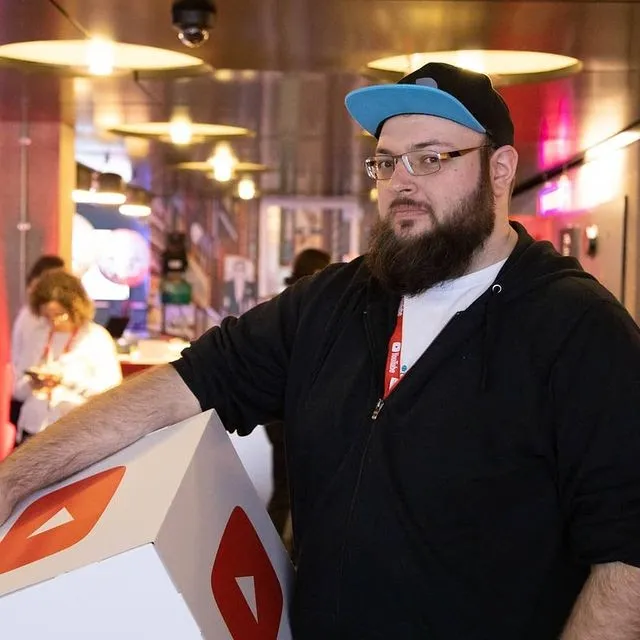
Martin Koytek
Producer of the kw.media YouTube tutorials and point of contact for YouTube consulting, courses and creator support.