YouTube Chokes SEO & Twitch's Misleading Monetization | Creator News
YouTube blocks your search traffic and Gemini Omni turns your face into a deepfake template. Twitch exploits small streamers.
This article was AI generated based on our video.
The Platform Pivot: How AI and Monetization Shifts are Squeezing Creators
For over a decade, the relationship between creators and platforms has been a delicate balance of reach versus control. However, recent updates across YouTube, Twitch, and TikTok suggest a shift in priority. Rather than acting as partners in growth, platforms are increasingly behaving like closed ecosystems designed to maximize their own margins—often at the expense of creator revenue, privacy, and intellectual property.
From AI-driven search results that eliminate clicks to monetization schemes that lock funds within a platform’s walls, the current landscape requires creators to be more vigilant than ever about how they manage their metadata and settings.
YouTube’s Evolution into an AI Response Machine
For years, YouTube has held its position as the world’s second-largest search engine. For creators, this meant that high-quality, searchable content provided a steady stream of residual views and revenue. That dynamic is changing as YouTube integrates generative AI directly into the search experience.
The Rise of “Ask YouTube”
The introduction of the “Ask YouTube” feature marks a transition from a discovery engine to an AI response machine. Instead of presenting a list of videos for the user to choose from, the AI synthesizes information from various sources and presents the answer directly as text on the search page.
For creators producing informative or “how-to” content, this creates a significant risk: the “zero-click” search. When a viewer receives a complete answer via an AI snippet, there is no incentive to click the thumbnail, which leads to a direct loss of views and ad revenue. Essentially, the AI extracts the value of your hard work and serves it for free, keeping the user on the search page rather than sending them to your channel.
Defensive SEO: Optimizing for AI Citations
While the AI may synthesize the answer, it typically links to a specific timestamp within a video as its primary source. To avoid becoming invisible, creators must shift their SEO strategy from traditional keyword stuffing to “AI-ready” structuring.
To capture those residual views—the viewers who want more depth than a text snippet provides—you should focus on the following:
- Precision Chaptering: Nail your chapters. The AI relies on these markers to find relevant segments of your video.
- Front-Loading Value: Ensure that the first few seconds of every chapter contain the core value or answer. Because Gemini and other YouTube AI tools read these segments to generate summaries, pre-loading the “answer” forces the AI to cite you as the definitive source.
The Privacy Risks of Gemini Omni
While search AI affects revenue, the rollout of Gemini Omni affects identity. Positioned by YouTube as a tool for “fostering creativity,” Gemini Omni is a content repurposing feature that allows users to remix existing content into Shorts.
The Opt-Out Trap
The most concerning aspect of Gemini Omni is that it is an opt-out feature rather than opt-in. By default, your face and voice can be used as templates for others to create deepfake-style remixes in Shorts. For creators whose personal brand and image are central to their business, this represents a significant risk to brand integrity.
Furthermore, there is currently no global setting to disable this feature across all uploads. This means creators must manually opt-out of the repurposing feature for every single video they upload. Despite warnings from product experts prior to launch, YouTube has proceeded with this implementation, mirroring previous controversial rollouts like automatic captions.
Creators are encouraged to treat their data as a valuable asset and avoid letting platforms use it as free training material or remix templates. Checking your settings during the upload process is now a mandatory step for protecting your digital likeness.
Twitch’s “Monopoly Money” Monetization
Twitch has recently introduced monetization features for non-partner streamers, which on the surface appears to be a win for small creators. However, a closer look at the payout structure reveals a system designed to keep capital within the Twitch ecosystem.
The Spendable Balance Catch
While non-partners can now “earn” through these new features, they cannot actually cash out those earnings into real-world currency. Instead, the funds are placed into a “spendable balance.” This balance can only be used to purchase subscriptions or Bits for other channels on Twitch.
This creates a closed loop where:
- Viewers pay money into the system.
- Twitch holds the interest and the cash flow.
- The creator receives “digital monopoly money” that can only be spent back into the platform.
By locking earnings in this manner, Twitch protects its own cash flow while giving small streamers the illusion of monetization. It is a reminder that features marketed as “support for creators” often serve the platform’s financial interests first.
The Shift Toward Ad-Free Subscriptions
The industry is seeing a broader trend toward removing ads in favor of direct subscriptions. TikTok is currently testing an ad-free subscription model in the UK, priced at £4.
This move suggests that feed ads may eventually be phased out or supplemented by a “pay-to-play” viewer experience. As platforms push viewers toward checkout pages to remove interruptions, the revenue split becomes the most critical factor for creators. In this regard, YouTube Premium’s 70/30 split remains one of the more creator-friendly models currently available, though the trend toward subscription-based feeds is likely to accelerate across all major platforms.
Small Wins: Shorts Carousel Enhancements
Despite the systemic challenges, there are minor technical improvements that offer new ways to engage audiences. YouTube Shorts carousel posts now support the Audio Library and Dream Track.
This update allows creators to add music and audio elements to their community posts within the Shorts feed, making them more dynamic and engaging. However, creators operating outside of the United States should remain cautious regarding regional copyright restrictions when using these audio tools.
Final Thoughts: Taking Control
The recurring theme across these updates is a lack of platform loyalty toward the creator. Whether it is the erosion of search traffic via AI or the restriction of funds on Twitch, platforms will consistently prioritize their own margins over the well-being of the people providing the content.
This environment often leads to creator burnout, as the goalposts for success are constantly shifted by algorithmic changes and policy updates. To combat this, it is essential for creators to move toward professionalized time management and strategic collaboration. Taking control of your channel means looking beyond the platform’s provided tools and building a sustainable business model that doesn’t rely solely on the whims of a single ecosystem.
Original transcript
Transcript
YouTube is killing your search traffic, and Gemini Omni wants to turn your face into a deepfake template by default. And Twitch has just found a new way to squeeze small streamers as their new cash cow. I’ve been doing YouTube and online media for over a decade, and right now, the platforms don’t seem to be your friends. Let’s cut the crap and dive straight into the Creator News.
For years, YouTube has been the second-largest search engine in the world, and it’s increasingly becoming an AI response machine, much like Google Search has in recent years. When a viewer searches for something on YouTube, the new “Ask YouTube” feature synthesizes an answer and gives it to them directly as text. For simple queries, that means no click on your thumbnail, no view, and of course, no revenue.
The AI is simply extracting your hard work and serving it up for free in search. But here’s the catch: The AI links directly to a timestamp within the video as the primary source. If you want those residual views—the ones who aren’t satisfied with reading a little snippet—you’re going to have to update your metadata and really nail your chapters.
You need to pre-load the value in the first few seconds of each chapter because that’s essentially what Gemini or the YouTube AI reads. You need to force the AI to cite you as the source. And if your informative content doesn’t do that, it’s going to become invisible.
Speaking of AI that can do and undo as it pleases: YouTube is currently rolling out Gemini Omni as its first content repurposing feature. And yeah, the PR says it’s about fostering creativity, but I call it a nightmare.
The feature is opt-out, meaning everyone can remix your face and voice into their own Shorts by default. If your image and brand matter to you, you’ll have to manually disable this feature for every upload. There’s currently no setting to disable it as a default for all uploads, and product experts like myself raised this before launch in multiple places. YouTube didn’t listen. It’s the same story as with automatic captions and so many other questionable changes before.
Platforms will always prioritize easy content over your rights, and you shouldn’t let them use your data as free training material. Make sure you opt-out, even if it requires an extra step during upload.
Now onto Twitch and Daddy Jeff’s financial pressure. Again, they’re trying to squeeze every last penny by introducing monetization features for all, meaning monetization opportunities for non-partners. On paper, this might seem right for small streamers, right? Wrong.
Unfortunately, small streamers can’t cash out their earnings. It goes into a spendable balance that you can convert into subscriptions or Bits on another channel, meaning the money stays within the Twitch ecosystem. They take the viewers’ money, keep the interest, lock it into their system, and give you digital monopoly money to play with. It’s yet another desperate attempt to protect their cash flow, so don’t let them fool you into thinking this is about supporting creators.
And that brings us to TikTok. They’re currently testing an ad-free subscription for £4 in the UK. Feed ads are on their way out. Expect all platforms to start taking your viewers straight to the checkout, with YouTube Premium and its 70/30 split being one of the most creator-friendly options out there.
We don’t want to end on a complaint, so here’s one last update where I have nothing to gripe about: YouTube Shorts carousel posts now support the Audio Library and Dream Track. It’s a nice little tool to engage your community posts in the Shorts feed and make them a bit more interesting. Just be mindful of regional copyright issues if you’re outside the US.
I’ve been in this business a long time, and platforms will always protect their margins over you as a creator. And I’m tired of seeing creators burn out. That’s why I’ve already hinted at this, but here it is again as a reminder: We’re building a platform for time management and professional collab matching for creators.
If you’re interested, please fill out the survey I’ve linked in the comments. Take control of your channel. I’m Martin, bringing you the relevant Creator News. Please subscribe so I can welcome you back next week with more updates.
Confused about recent platform changes? From YouTube's SEO challenges to Twitch's monetization tactics, understanding these updates is crucial. Visit our Creator Services for expert insights and guidance on navigating these shifts.
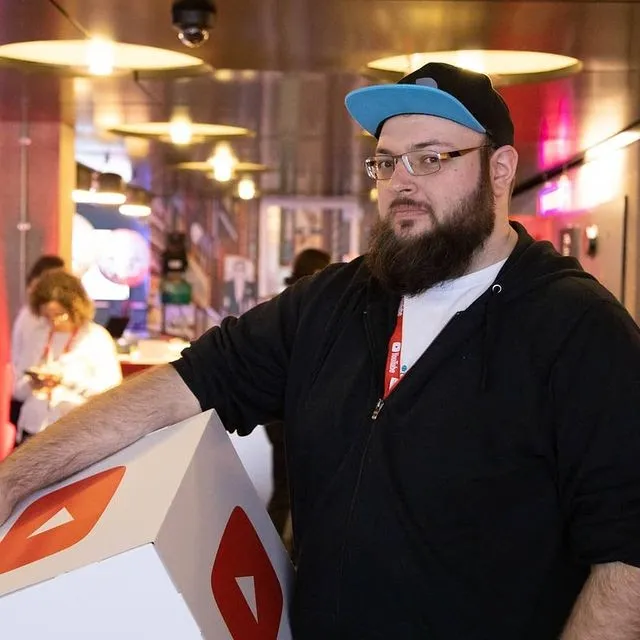
Written by
Martin Koytek
Producer of the kw.media YouTube tutorials and point of contact for YouTube consulting, courses and creator support.